
Home / Areas / Cooks Hill & the terraces
The terrace streets
Blinds in Cooks Hill, Hamilton and Islington
On a terrace street the maths is simple: footpath, low fence, window. Everyone who walks past is an arm's length from your front room. The job in these suburbs is privacy that doesn't cost you the daylight, fitted to tall, characterful, frequently crooked old windows without making them look dressed for the wrong century.
Privacy in layers, not lace
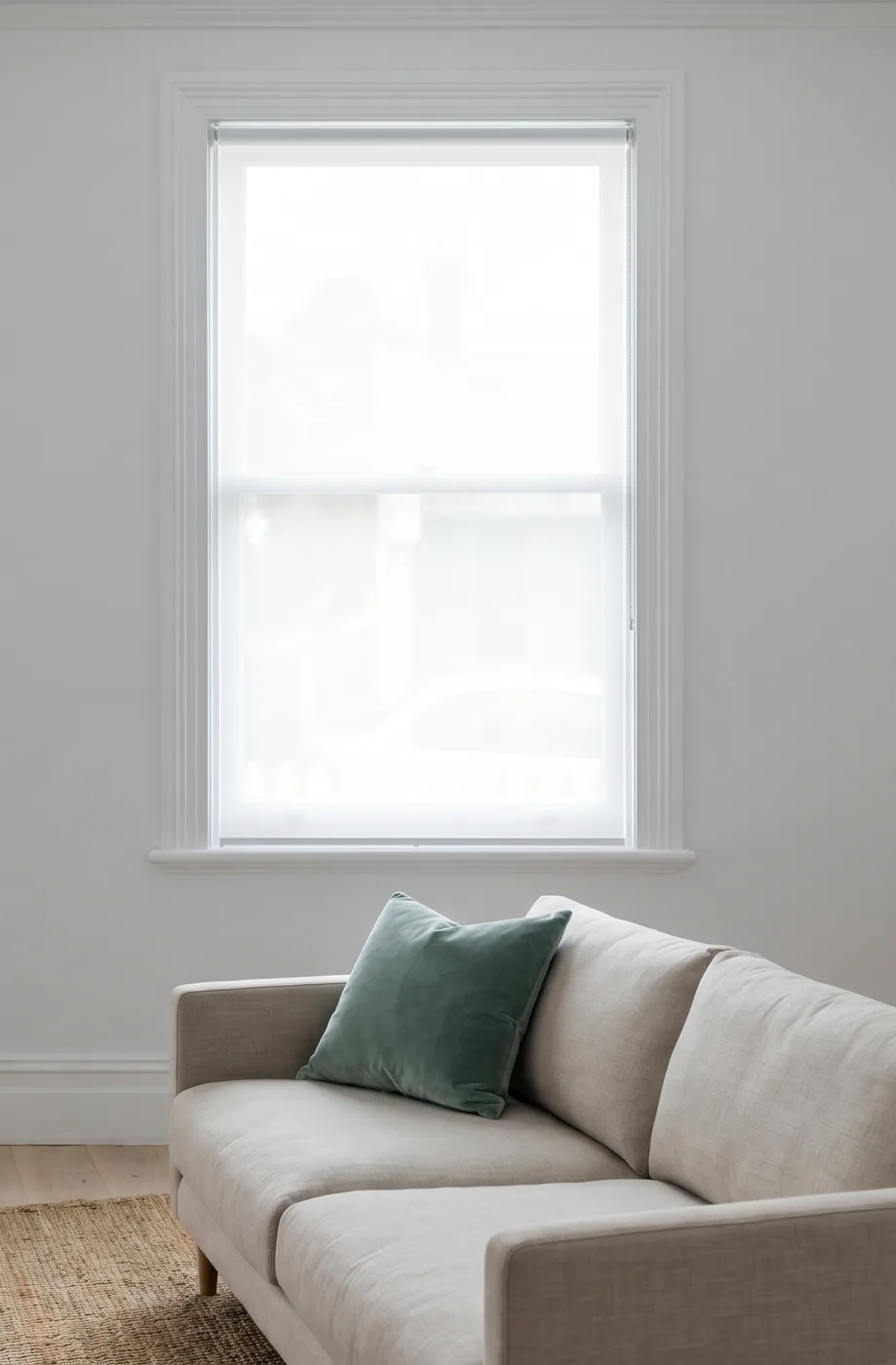
Our standard call on a street-facing front room here is a dual roller: a light-filtering layer that stays down through the day, glowing with daylight while the footpath sees a blank surface, and a blockout layer behind it for night, when a lit room would otherwise put your evening on show. One bracket, two fabrics, both halves of the day answered. The thinking is laid out on the street privacy page.
Where you'd rather keep a sightline to the street, kids on bikes, the dog walkers, the general theatre of a good terrace street, a venetian's tilt does what no fabric can: privacy by degrees, view on request.
Old windows, measured as found
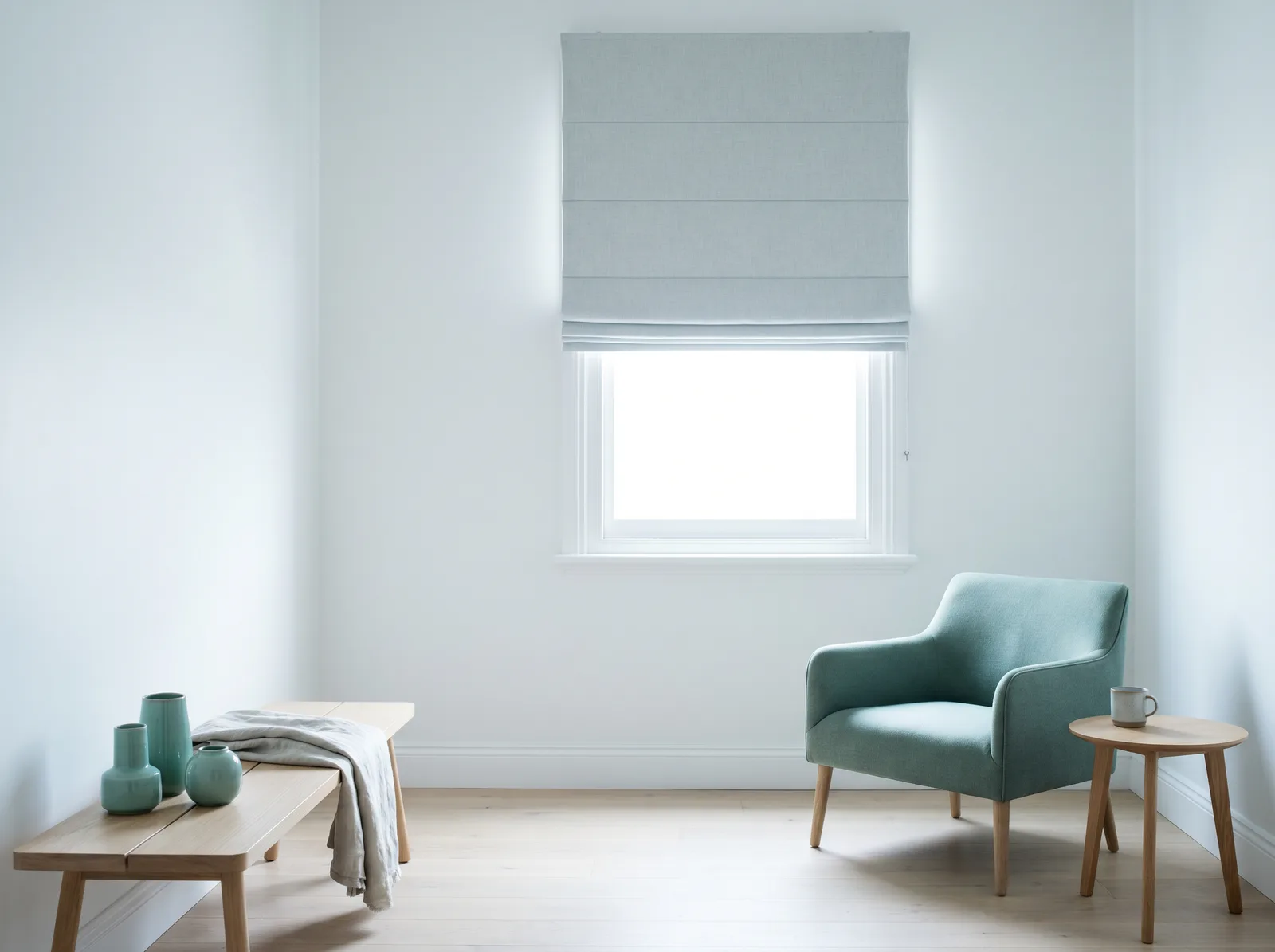
These houses predate the square window. We measure both diagonals, spec drops for the true height, and go over-face on shallow or ornate reveals so the architraves keep their lines. Soft romans suit the cottage rooms that want something gentler; the discipline underneath is the same made-to-measure work.
Cottages off the strip
Back from Darby Street and Beaumont Street the workers' cottages run smaller windows in timber frames, and the job shifts: less street exposure, more light-and-warmth management in rooms that were built deep and shaded. Light-filter rollers wake those rooms up; a roman in a pale weave keeps the softness the room already has. We quote each window for what it actually does rather than dressing the whole house identically.